








Ahmet Ö.
Kurumsal
- Thread Author
- #1
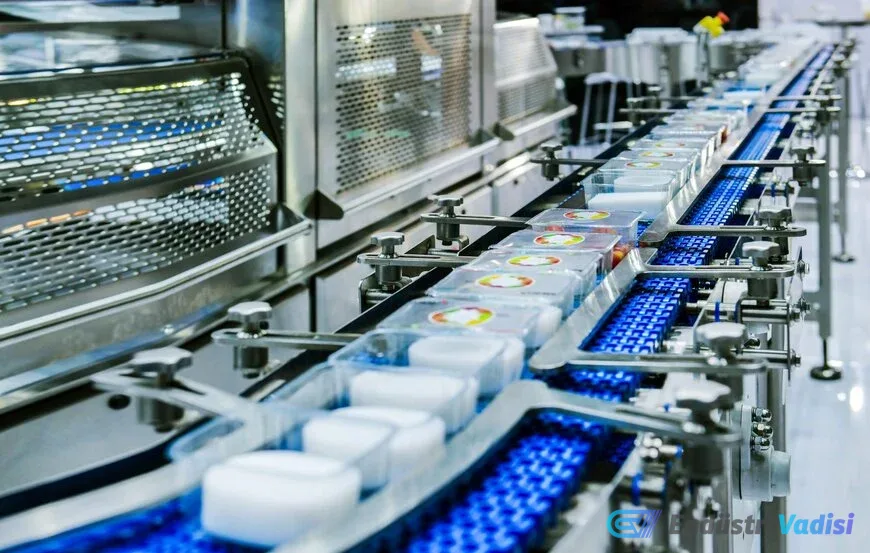
## Modular Automation Enhances Flexibility in Packaging Lines
Beckhoff's PC-based control systems enable the reconfiguration of packaging lines for multiple product varieties and sustainable materials, extending equipment life and reducing changeover times.
Manufacturers in the pharmaceutical, medical technology, and food and beverage sectors face a rapid increase in stock-keeping units, shorter product life cycles, and more frequent packaging changes. Traditional packaging lines, designed for fixed formats and capacities, struggle to adapt to these innovations. Even minor changes, such as a new product size or the use of a different film, can require mechanical interventions, control system reprogramming, and lengthy downtimes.
The goal is to increase the availability of the packaging line while maintaining product quality and adapting to new packaging formats like recyclable and biodegradable materials. At the same time, the lifespan of existing equipment should be extended to avoid large investments.
### General Concept of a Modular Line: Rapid Integration of Independent Units
In a modular structure, operations such as sealing, labeling, and carton opening are designed as self-contained modules. These modules can be easily added, removed, or replaced according to production needs.
Thanks to automatic recognition by the control system, modules can be commissioned with minimal engineering effort. This shortens line changeover times and allows capacity increases to be implemented incrementally.
This approach is ideal for facilities with seasonal campaigns or frequent format changes, as standard re-engineering operations disrupt production.
### Control Architecture: Plug-and-Produce Support
At the core of this flexibility are PC-based control platforms supported by real-time industrial communication networks. Each module operates like an autonomous machine and exchanges synchronized data with the central control device.
Standard communication protocols and open control systems ensure the compatible operation of equipment from different suppliers. This eliminates the need for a complete overhaul of the control infrastructure or supplier dependency during line upgrades.
The same automation layer supports advanced functions such as predictive maintenance, remote diagnostics, and centralized performance monitoring, increasing overall equipment effectiveness in high-capacity packaging environments.
### Support for Transition to Sustainable Packaging
Recyclable and biodegradable packaging materials require different sealing parameters, cutting tolerances, and product handling characteristics. In fixed lines, these changes lead to long commissioning processes and high material waste.
In a modular structure, only the relevant process step (e.g., the sealing module) is changed or updated. This allows manufacturers to gradually introduce new materials while other parts of the line continue to operate.
This strategy not only reduces downtime but also prevents the scrapping of usable equipment and lowers the total life cycle cost.
### Operational Impact and Extension of Asset Life
Although production numbers are not disclosed, the technical gains are significant. Faster format changes reduce idle times, while incremental upgrades help defer large capital expenditures. Open automation provides ease of maintenance and allows for performance optimization at the module level.
Modular automation enables rapid capacity increases and reconfigurations according to needs, ensuring compliance with fluctuating demand and changing regulations.
### Transition from Fixed Lines to Adaptive Systems
Packaging lines have traditionally been one of the most fixed elements of production. With plug-and-produce modularity, these lines are transforming into adaptive systems that respond to product diversity, material innovations, and sustainability goals.
For manufacturers operating in environments with high product variety and frequent changes, this architecture offers a technically and economically sustainable path that increases uptime and resource efficiency while maintaining competitiveness.























