




Cengiz Özemli
Akademisyen
- Thread Author
- #1
## Unifying Control in Modern Packaging Lines
The packaging industry is rapidly transforming as consumer demands shift towards personalization, seasonal editions, and premium presentation. The ability of production lines to switch quickly and reliably between different formats is becoming critical for competitiveness and efficiency.
### Complexity of Fragmented Automation
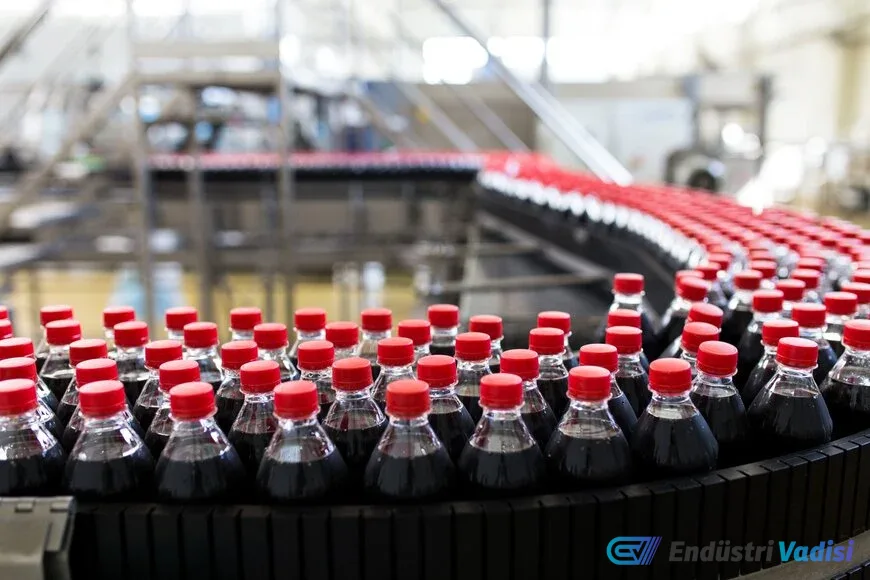
Most packaging lines are composed of filling machines, capping machines, labeling machines, and cartoners from various OEM manufacturers. Each of these machines has its own PLC, software platform, and operational interface. While supplier diversity reduces supply chain risks, it increases operational complexity.
Operators have to manage multiple HMIs, maintenance teams deal with different update cycles, and automation engineers must support various programming environments. Even within IEC 61131-3 standards, different implementation approaches complicate diagnostics, format changes, and long-term technical support processes.
### Standardization Without Supplier Dependence
Unifying control does not mean choosing a single automation supplier. The goal is to ensure seamless operation of equipment from different suppliers by defining standard interfaces, machine states, and data structures.
Standards like Packaging Machine Language (PackML) facilitate integration and troubleshooting by defining machine states and data tags. Weihenstephan Standards (WS) introduce naming conventions for PLC variables, accelerating data collection and reporting processes.
Open and real-time fieldbus networks like EtherCAT provide precise timing and synchronization between modules. HotConnect and advanced diagnostic features quickly detect issues such as cable faults or electromagnetic interference, reducing unplanned downtime.
### Single Product Production and Serialization
For consumer product manufacturers, the long-term goal is to achieve "lot size one" – the production of single customized products with the efficiency of mass production. Personalization examples, such as Coca-Cola's "Share a Coke" campaign, increase brand loyalty and consumer engagement.
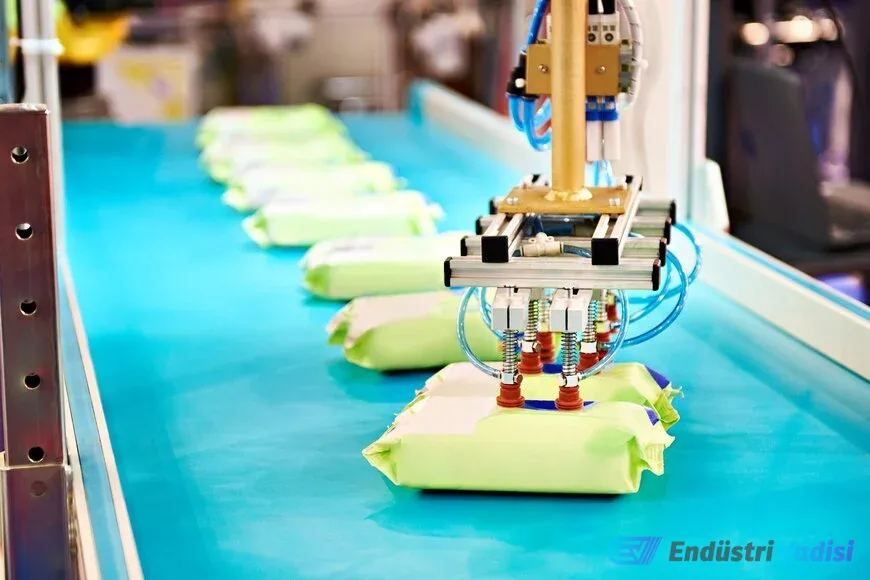
True serialization requires each product to be tracked with a unique identification code. This approach, standard in the pharmaceutical and food sectors, is now spreading to other consumer markets. However, this demands high-frequency data exchange, precise machine synchronization, and user-friendly recipe-based changeover processes.
Packaging systems must allow format changes via screen interfaces, avoiding manual adjustments. This necessitates a unified data structure and real-time coordination across the line when managing complex SKU diversity.
### The Role of PC-Based Control
Beckhoff Automation offers PC-based control as a flexible and powerful foundation for modern packaging systems. Industrial PCs combine real-time control performance with open operating systems, enabling integration with MES, ERP, and cloud platforms via protocols such as OPC UA, MQTT, and REST API.
Software platforms like TwinCAT support PackML libraries and OPC UA node set configuration, facilitating the implementation of standard machine states and data exchange. Control functions virtualized into software modules reduce hardware dependency and increase scalability.
EtherCAT networks, with advanced diagnostics and precise timing, detect node failures, cable breaks, or interference problems before production is interrupted.
### Building the Packaging Lines of the Future
With the modularization of packaging lines, PC-based control facilitates reconfigurations and expansions. Labelers, filling machines, and conveyors can be integrated or upgraded with minimal disruption, maintaining consistent data visibility across the line.
Flexibility, efficiency, and personalization define the future of packaging. To achieve these goals, unified control frameworks, open communication standards, and real-time data transparency are essential. By combining supplier-independent standards, modular design, and PC-based automation, rapid format changes, complex SKU management, and scalable personalization can be achieved without compromising operational stability.