






Cengiz Özemli
Akademisyen
- Thread Author
- #1
## Ultra Long-Life Batteries for Extreme Conditions
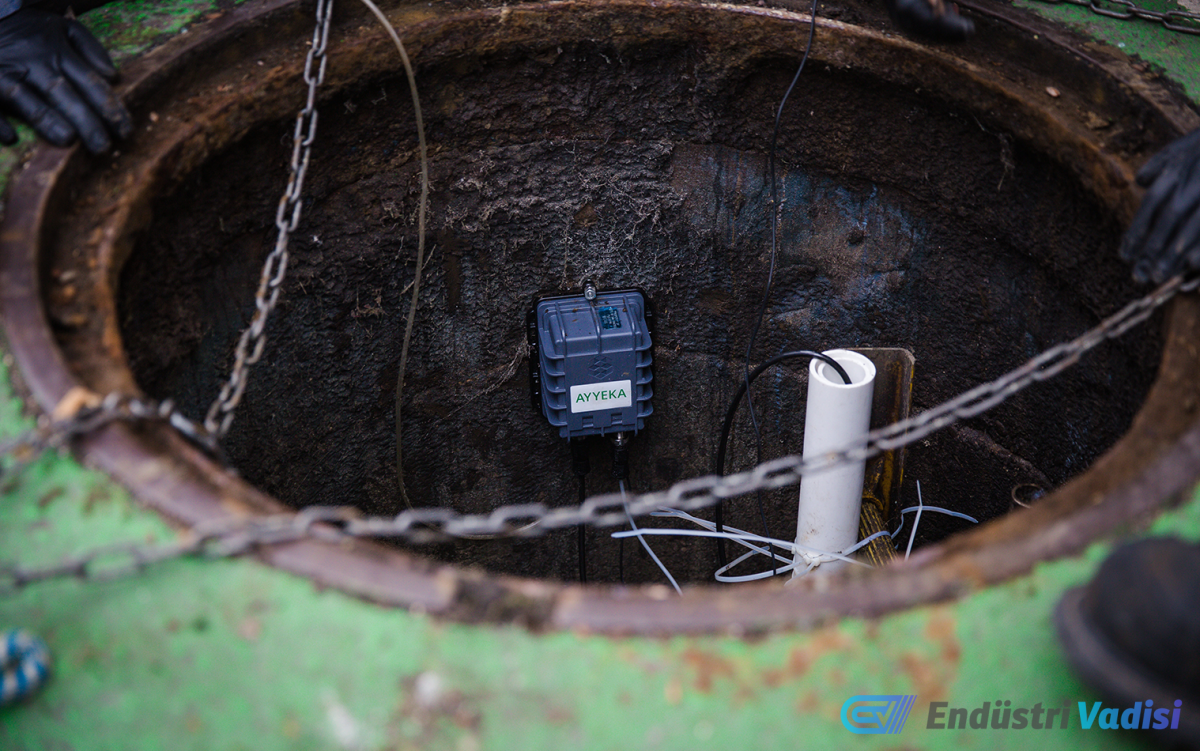
In wireless devices operating in hard-to-reach locations, battery failure is critically important to avoid. In such applications, the most reliable battery should be chosen.
Even under bridges, in deep seas, or on icebergs, battery reliability determines the operational success of the device. In city automatic meter reading (AMR/AMI) systems, battery failures can lead to costly problems.
Although the ratio of battery cost to device cost is generally low, it is the most critical component in determining long-term performance. Incorrect battery selection can lead to operational failures, data loss, security risks, and increased maintenance costs, damaging brand reputation.
### Power Needs of Low-Power Devices
Low-power wireless devices mostly operate in standby mode to extend battery life, waking up intermittently or when data thresholds are exceeded. In this mode, they draw low current at microampere levels, providing data transmission with short-duration high currents reaching amperes. Depending on the need, single-use (primary) batteries or rechargeable Li-ion batteries and energy harvesting devices can be preferred for high energy demands.
### Bobbin-Type LiSOCl2 Batteries
These batteries provide reliable power for decades for wireless communication in advanced AMR/AMI systems. They are particularly known for operating times of up to 40 years and very low self-discharge rates of 0.7%.
### Not All Batteries Are Equal
Most wireless remote devices rely on primary (non-rechargeable) chemical batteries. These include iron disulfide (LiFeS2), lithium manganese dioxide (LiMNO2), lithium thionyl chloride (LiSOCl2), alkaline, and lithium metal oxide.
Although alkaline batteries are cheap and common, they are not suitable for long-term and harsh environments due to high self-discharge (60%/year), performance degradation at extreme temperatures, and low energy density.
Bobbin-type LiSOCl2 batteries are considered the gold standard for extreme conditions. They can operate between –80°C and +125°C and have the highest energy density and voltage values. LiSOCl2 technology naturally reduces the battery's self-discharge rate through its maintenance process called passivation.
### Features of Bobbin-Type LiSOCl2 Batteries
- Self-discharge rate: 0.7%/year
- Operating temperature range: –80°C to +125°C
- High energy density
- High voltage
- Battery life extended by passivation
### Effect of Extreme Environmental Conditions on Battery Performance
While cold environments slow down self-discharge, extreme cold can slow down chemical reactions and cause voltage drop. High temperatures, on the other hand, shorten battery life, causing rapid discharge and voltage drop. Bobbin-type LiSOCl2 batteries are designed to operate reliably in these challenging conditions.
### Hybrid Batteries Manage High Currents
Industrial IoT devices may require high current pulses up to 5 Amperes for communication. Standard bobbin-type LiSOCl2 batteries do not support these pulses. PulsesPlus™ batteries solve this problem with a hybrid layer capacitor (HLC), allowing high current and providing low battery warnings for maintenance planning.
### Caution in Performance Tests
Short-term tests may not accurately reflect long-term performance, especially at extreme temperatures. Field data from real applications and independent test reports are important for reliable comparisons. Some manufacturers may make unrealistic claims about long battery life.
### Stay Safe with Expert Advice
In situations where battery failure or replacement is not possible, choosing the right battery is critical. Opting for the most suitable technology, not just the cheapest solution, reduces costs in the long run. It is recommended to seek support from experienced application engineers for re-verification.
This content was published in Automation.com Monthly, February 2026 issue.