Cengiz Özemli
Akademisyen
- Thread Author
- #1
## The Role of Sensors and Control Systems in Smart Conveyor Design
Conveyor technology is rapidly evolving thanks to the tight integration of mechanical machinery and electrical control systems. However, understanding how this integration can be improved through feedback is critical.
Today, conveyor systems are widely used in production lines. New research states that conveyor systems form the foundation for success, noting that "As industries embrace digitalization, automation, and sustainability, conveyors will remain at the heart of innovation in material handling. The future of conveyor systems holds further potential for development."
### Key Technologies in Conveyor Systems
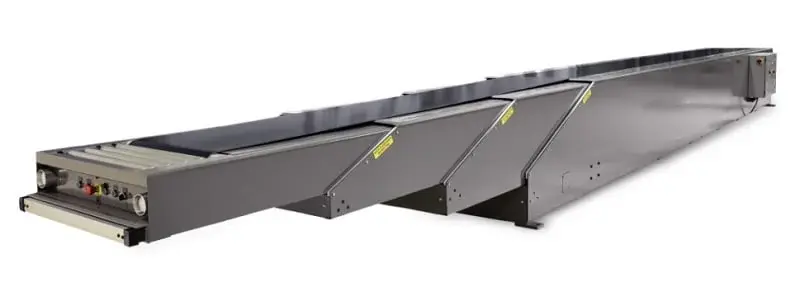
These advancements are directly linked to customizable transport structures such as telescopic, rigid, and flexible conveyor systems. Sensors and control systems also form a critical part of this structure. The right sensor mix for functions like problem detection, performance monitoring, and efficiency improvement lays the groundwork for future-proof conveyor designs.
### Types of Conveyor Sensors
The continuity of conveyor performance relies on the combined use of multiple sensors. The most common types of sensors are:
- Position Sensors: Determine the location of objects on the conveyor, often used in conjunction with robotic picking tools. They can measure linear motion or the movement of rotating shafts.
- Proximity Sensors: Detect the presence or absence of an object. Used for identifying blockages, controlling material flow, and guiding objects to the correct position.
- Weight Sensors (Load Sensors): Check if products or components are at the correct weight. They convert force into an electrical signal to provide weight measurement.
- Speed Sensors: Monitor the conveyor's speed, preventing it from running too slow or too fast. Typically measure the rotational speed of rotating parts using magnetic, optical, or tachometer methods.
- Temperature Sensors: Detect overheating in components such as rollers or belts. Temperature measurement is performed with infrared sensors or thermocouples.
### Considerations for Sensor Placement and Use
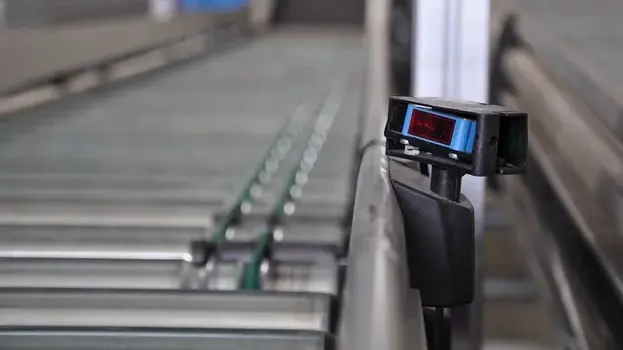
If sensors are not used in the correct position, accurate data cannot be obtained. For example, partial obstruction of capacitive sensors by the conveyor frame can generate erroneous signals.
Delays in data collection and reporting processes can lead to performance loss or production line damage. For instance, processing problem data detected by a proximity sensor in 20 seconds could cause a conveyor blockage. This situation can arise from distributed networks, where solutions like edge computing enable faster data processing.
Environmental factors (vibration, dust, temperature changes) can negatively affect sensor durability. Therefore, sensors specific to industrial processes should be selected, and regular maintenance should be performed.
### System Integration and Performance
Integrating sensors with existing systems can create challenges, especially in lines using older or proprietary technologies. For this reason, infrastructure audits should be conducted to identify potential problems in advance.
### Critical Questions for Correct Sensor Selection
- What is the acceptable data reporting time? The maximum acceptable time should be determined, and sensors should be tested accordingly.
- What are the operating environment conditions? For example, capacitive sensors are not suitable for production environments with excessive waste and residue.
- Which communication protocols require support? Protocols such as BACNET, I2C, Modbus, CANbus are common.
- How will compatibility between existing systems and sensors be ensured?
### Conclusion
Position, proximity, weight, temperature, and speed sensors provide critical data in conveyor systems. This data helps detect potential problems in the production process early, thereby increasing operational efficiency.
However, sensors alone are not enough. Correct placement, appropriate sensor selection, and effective system integration are indispensable for smart and reliable conveyor systems.
In conclusion, smarter conveyors offer valuable insights that accelerate operations and optimize processes.