


Ahmet Ö.
Kurumsal
- Thread Author
- #1
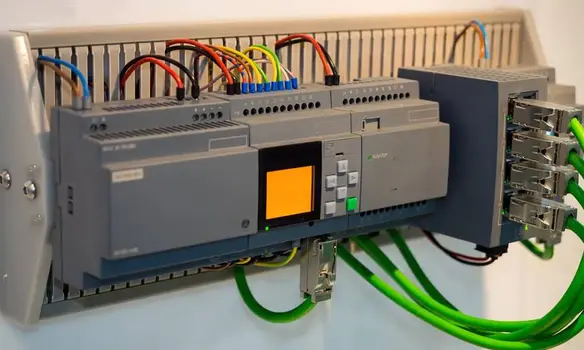
A PLC is a control device widely used in industrial automation systems. This device increases efficiency by automating production processes. In recent years, the topic of PLC learning has gained great importance in engineering and technical fields. Especially for young engineers, gaining proficiency in this area expands career opportunities. In this article, while exploring what a PLC is and where it is used, you will also find the best resources for PLC learning.
What is a PLC and Its Areas of Use
A PLC (Programmable Logic Controller) is a device widely used in industrial automation systems. Its functions include machine control, process automation, and data monitoring. The PLC learning process is important for understanding the basic principles of this technology.Key Features of PLC:
- Programmability: Users can program the PLC according to specific needs. This provides flexibility.
- Reliability: It has high durability in industrial environments and is long-lasting.
- Real-Time Control: Provides instantaneous control thanks to its fast response capability.
Areas of Use:
| Areas | Description |
|---|---|
| Automotive | Controls assembly processes in production lines. |
| Food and Beverage | Optimizes production processes. |
| Chemical | Monitoring and control of chemical processes. |
| Energy | Increases energy efficiency. |
</TABLE>
As a result, with PLC learning , effective knowledge can be gained in the field of industrial automation. This field is constantly developing and changing.
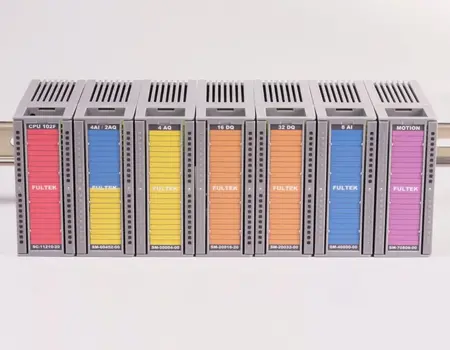
Best Resources for Learning PLC
There are many resources for the PLC learning process. These resources include both theoretical knowledge and practical applications. Here are the best PLC learning resources:- Books: Books are very useful for gaining comprehensive knowledge about PLCs. Some prominent books:
- Programmable Logic Controllers – Provides management and application information.
- PLC Programming for Industrial Automation – A guide for practical applications.
- Online Courses: Online courses offer flexibility and accessibility. Prominent platforms:
- Udemy
- Coursera
- LinkedIn Learning
- YouTube: Educational content supported by videos helps you better understand the subject. You can get up-to-date information by subscribing to specific channels.
- Application Simulators: Using a simulator in your PLC learning process allows you to put your theoretical knowledge into practice. This allows you to gain experience without fear of making mistakes.