








Cengiz Özemli
Akademisyen
- Thread Author
- #1
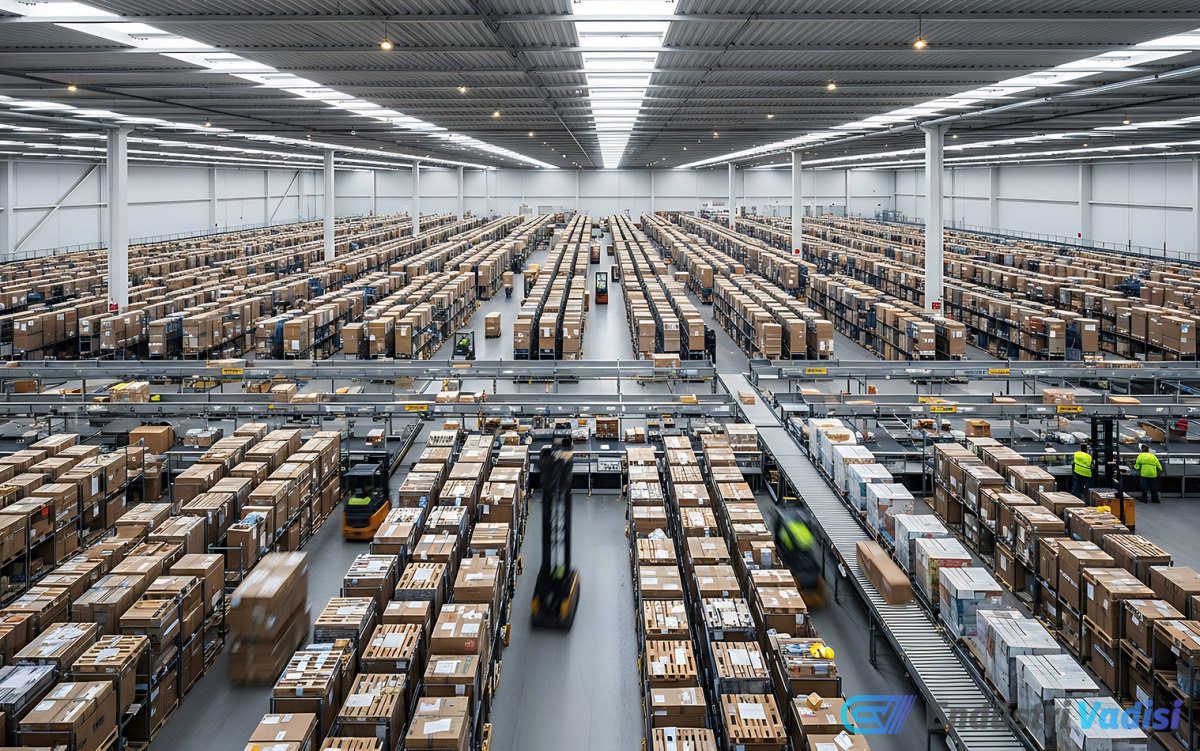
## Expectations and Market Outlook for Warehouse Automation in 2026
As 2026 approaches, the disparity between the weak economic outlook and the strong demand for warehouse automation is expected to narrow as general economic conditions improve.
2025 was quite turbulent for the warehouse automation market, impacted by economic and political fluctuations stemming from US tariffs and foreign policy changes. During this period, many major suppliers faced difficulties, Attabotics filed for bankruptcy, and some divisions, like Zebra’s Robotics unit, closed or were strategically divested.
However, despite these challenges, order intake in 2025 increased much faster than expected. This growth created intense market activity thanks to massive investments from large end-customers such as Amazon, Tesco, and Marks & Spencer.
The rapid acceleration in order growth can be attributed to three main factors. Firstly, rising raw material prices for steel and aluminum increased the cost of automation systems. Secondly, concentrated investments by a few large global retailers significantly boosted overall demand. Thirdly, the tariff-induced uncertainty in the first half of the year diminished in the second half, leading to an improvement in the economic uncertainty index, which in turn triggered the deployment of accumulated capital.
Essentially, 2025 presented two different pictures: cautious capital expenditures and low growth across most of the market, but with aggressive spending by a few major players keeping sector demand alive.
### 2026: A More Positive Outlook
In 2026, the gap between the weak macroeconomic environment and strong demand for warehouse automation is expected to close. While order growth in 2025 was primarily driven by large customers, demand in 2026 is projected to spread beyond large corporations to include medium-sized firms.
This shift will be supported by lower interest rates implemented by the Federal Reserve and the European Central Bank. Additionally, demand will be stimulated in the US as tax refund payments reach consumers and businesses, creating further pressure on supply chains and warehousing operations, which will trigger investments in automation later in the year.
Warehouse vacancy rates, which had been rising since late 2022, have stagnated and are expected to start declining again. Decreasing vacancy rates will increase rental prices and encourage new warehouse construction. However, the impact of new space investments on automation orders is anticipated to be more pronounced in 2027.
There are signs of improvement in the Chinese economy, though structural challenges persist. The IMF and Goldman Sachs have published higher GDP growth forecasts for 2026, in line with evolving trade relations and new 15-year development plans.
Although 2026 order intake is projected to show slightly lower growth compared to 2025, demand is expected to be more balanced and widespread. This will lead to a more even distribution of growth among suppliers.
### Supply Chain Resilience and Protection Against Geopolitical Fluctuations
As geopolitical uncertainties become the norm, companies are becoming more resilient to foreign policy shocks. This is evident in the S&P 500's reaction to the Venezuelan uprising and new tariff threats to Europe linked to US-Greenland negotiations.
The primary source of resilience is supply chains strengthened post-pandemic. The adoption of flexible automation technologies that allow for rapid adaptation will continue, and geopolitical fluctuations will accelerate this trend.
### Potential Risks for 2026
Despite the positive outlook for 2026, there are some risks that could affect the market.
- Supreme Court Ruling: The US Supreme Court's decision on the legality of Trump-era tariffs is significant. If the tariffs are found illegal, refund policies could come into play, potentially increasing companies' capital expenditures.
- Memory Shortage: A shortage in memory supply could occur as demand for advanced DRAM and high-bandwidth memory exceeds production capacity. This could lead to increased costs, especially for automation systems requiring high processing power at the edge.
### Conclusion
2025 was a contradictory year, marked by macroeconomic fragility and geopolitical uncertainties, yet sustained by strong investment-driven demand. Entering 2026, the foundations for more balanced growth are being laid. Lower interest rates, increased confidence, and supply chain pressures will support broader development in warehouse automation.
However, the market remains sensitive to policy decisions and geopolitical developments. Companies prioritizing flexibility and resilience will be better protected against potential shocks in 2026.























