







- Thread Author
- #1
In the modern world, electricity is one of the most important invisible forces that sustains life. Whether it's an apartment or a large factory, the safe and efficient operation of every structure depends on properly designed electrical projects.
When electrical projects are mentioned, Low Voltage (LV), Medium Voltage (MV), and High Voltage (HV) systems are the first things that come to mind.
The software used in preparing these projects is also very important. Software like Zuken E3, EPLAN, and AutoCAD greatly facilitates the preparation of electrical projects. Thanks to these programs, projects can be completed faster and designed in compliance with national and international standards, thus preventing problems during on-site implementation. Especially, adhering to drawing standards plays a critical role in the smooth implementation of the project on site.
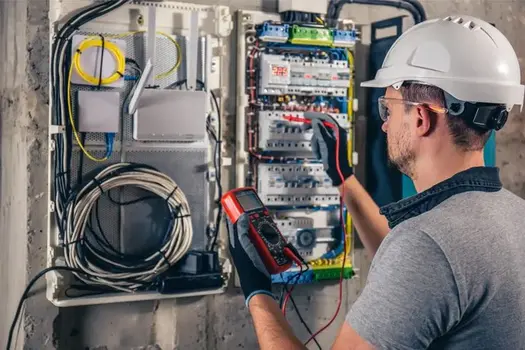
When projects move to the implementation phase, every plan on paper must be brought to life on site. Engineers and technicians meticulously implement everything from cable thickness to panel placement, from lighting to automation panels.
A well-designed electrical system not only provides energy but also saves money, is safe, and operates problem-free for many years. Conversely, an unplanned system can lead to malfunctions, energy loss, and safety risks.
Therefore, every electrical project should be realized with accurate information, appropriate software, and experienced hands. Sharing experiences in the industry is also fundamental to successful projects.
When electrical projects are mentioned, Low Voltage (LV), Medium Voltage (MV), and High Voltage (HV) systems are the first things that come to mind.
- LV systems are used in structures with low power requirements, such as residences and small businesses.
- MV systems come into play in areas requiring higher energy, such as industrial facilities and factories.
- HV systems are preferred at points where very high power transmission is required, such as power plants and large production facilities.
The software used in preparing these projects is also very important. Software like Zuken E3, EPLAN, and AutoCAD greatly facilitates the preparation of electrical projects. Thanks to these programs, projects can be completed faster and designed in compliance with national and international standards, thus preventing problems during on-site implementation. Especially, adhering to drawing standards plays a critical role in the smooth implementation of the project on site.
When projects move to the implementation phase, every plan on paper must be brought to life on site. Engineers and technicians meticulously implement everything from cable thickness to panel placement, from lighting to automation panels.
A well-designed electrical system not only provides energy but also saves money, is safe, and operates problem-free for many years. Conversely, an unplanned system can lead to malfunctions, energy loss, and safety risks.
Therefore, every electrical project should be realized with accurate information, appropriate software, and experienced hands. Sharing experiences in the industry is also fundamental to successful projects.
Last edited by a moderator:























