






Hasan S. Cemkan
Kurumsal
- Thread Author
- #1
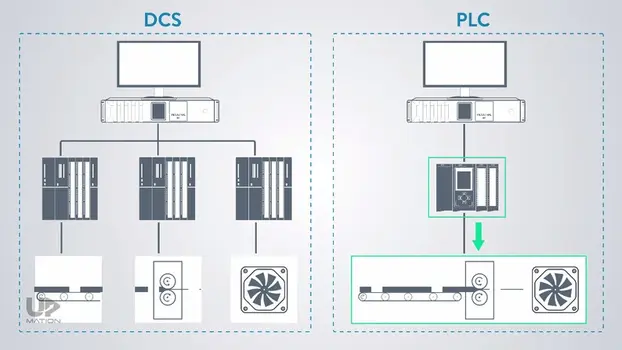
PLC and DCS systems play a significant role in industrial automation. Especially in the food, chemical, and energy sectors, questions often arise regarding which control system is more efficient. The advantages and disadvantages of both systems vary in direct proportion to their areas of application. Choosing based on factory needs is critical in terms of cost and compatibility. In this article, we will examine in detail the differences between APC and DCS systems, preferences in various sectors, and transition processes.
Which is preferred more in the food, chemical, and energy sectors?
The food, chemical, and energy sectors make decisions when selecting automation systems based on specific needs. The choice between PLC (Programmable Logic Controller) and DCS (Distributed Control System) is generally based on the following factors:- Food Sector: PLC systems are widely preferred because production processes and hygiene standards are paramount. Fast response times and lower maintenance requirements support this preference.
- Chemical Sector: DCS is preferred due to complex processes and the need for multiple control points. DCS offers better data collection and analysis capabilities.
- Energy Sector: While DCS is generally preferred due to large and complex systems, PLC is also used in certain applications. Especially in power plants, where instantaneous control and data monitoring are important, DCS provides superiority.
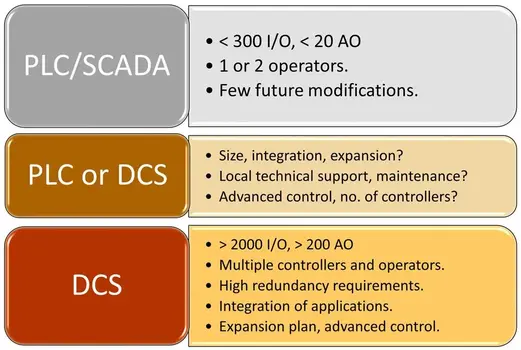
Transitioning from one system to another: Cost and compatibility analysis
Transitioning between PLC and DCS systems in factories requires significant cost and compatibility analysis. Understanding the advantages and disadvantages of these changes is critical for making the right decision. Here are some factors to consider:- Costs
- Initial Costs: DCS systems are generally more expensive because they require more hardware and software.
- Operating Costs: PLC systems can provide long-term savings as they consume less energy.
- Compatibility
- Existing Equipment: Evaluate DCS options that are compatible with your existing PLC system. Otherwise, system changes may incur more costs.
- Standards and Regulations: DCS systems ensure compliance with higher standards and regulations in most sectors.