







Erkan Teskancan
Kurumsal
- Thread Author
- #1
## Building a Safety-First Culture with Automated Robotic Solutions
To prioritize safety in manufacturing, this article evaluates the risks of manual processes, methods for creating a safety-oriented culture, and the importance of AGV/AMR systems' compatibility with human-centric workflows.
In the manufacturing sector, safety is defined not only by traditional methods such as personal protective equipment, machine guarding systems, and lockout/tagout procedures, but also by the engineering and integration processes of high automation systems. Solutions like automated guided vehicles (AGVs) and autonomous mobile robots (AMRs) increase efficiency while offering the opportunity to elevate safety practices from a reactive approach to a proactive and strategic level.
### Risks of Manual Processes
Manual operations can lead to critical safety issues such as human errors, data security, and lack of visibility. Human-induced errors slow down production, causing rework and unplanned downtime. Integration problems in electronic or paper-based record systems lead to data loss and security vulnerabilities. Furthermore, the lack of real-time tracking of operations prevents proactive measures from being taken, increasing the risk of workplace accidents.
### Automated Solutions and Safety Infrastructure
AGV/AMR systems reduce manual process risks by standardizing workflows, identifying bottlenecks, and simplifying supervision. However, proper charging infrastructure and compatible communication protocols are essential for these systems to operate effectively and safely. Factors such as mixed fleet management and different charging standards must be planned in advance and supported with appropriate training.
### Safety-Oriented Design Approach
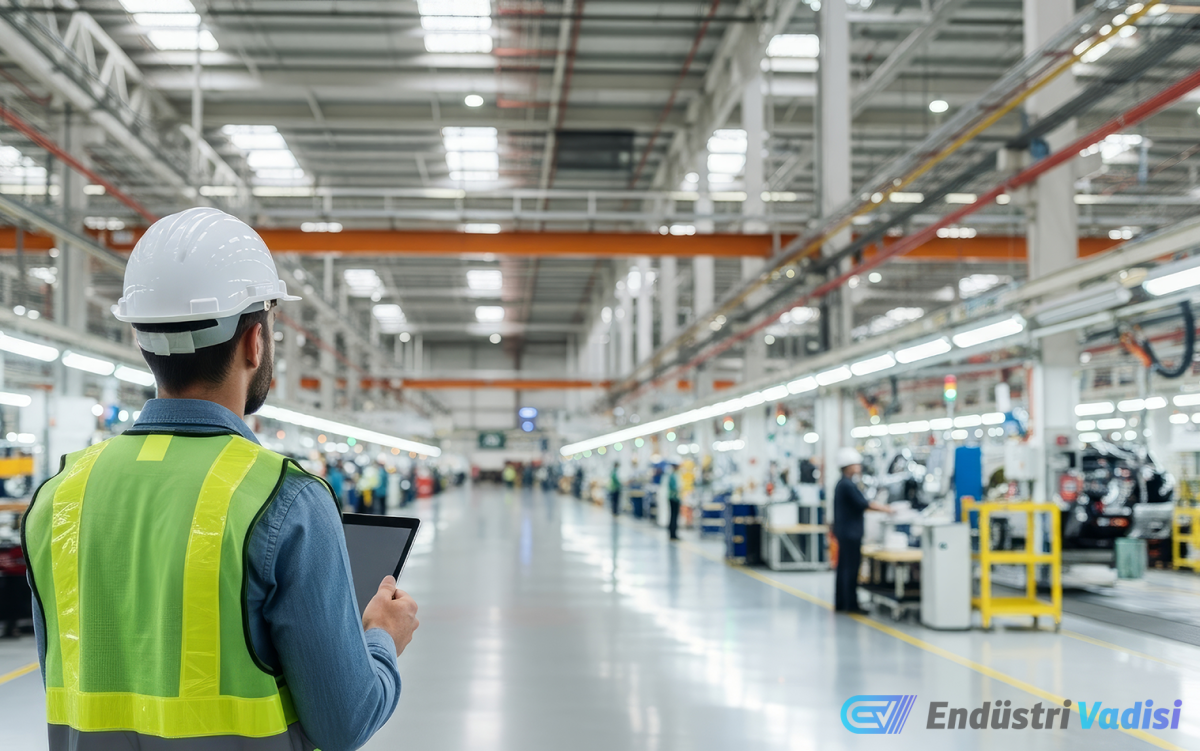
Safety strategies should move beyond merely acting for compliance and focus on creating an environment where human and automation systems can work together seamlessly. By evaluating existing processes, transforming reactive approaches into preventive strategies, and integrating automation with a safety-first mindset, smarter and safer workplaces can be created.
This comprehensive approach not only enhances the competitiveness of manufacturing facilities but also significantly contributes to reducing workplace accidents and costs.