





Erkan Teskancan
Kurumsal
- Thread Author
- #1
## How to Increase Uptime in Faulty Wafer Handling Robots?
To increase the uptime of wafer handling robots, it is crucial to identify common failures, optimize maintenance, and implement practical troubleshooting methods.
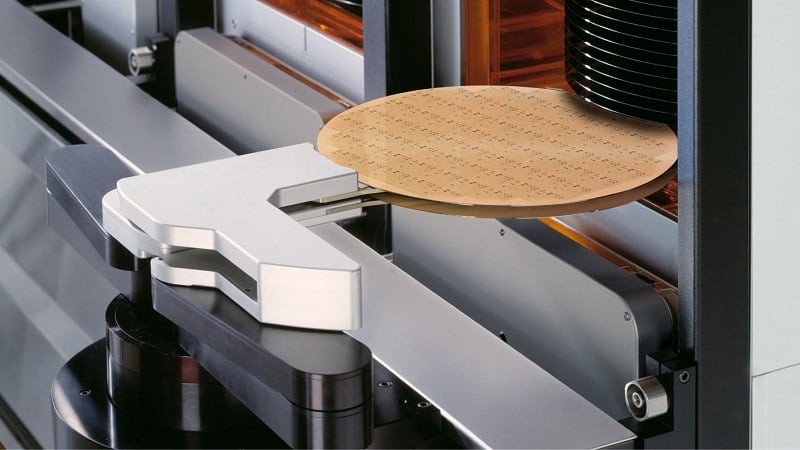
Automation plays a critical role in semiconductor manufacturing processes. In today's wafer fabs, handling robots transport delicate wafers between processing tools, load ports, and inspection stations. Even the slightest disruption in continuous automation processes can severely impact production schedules.
Frequent failures in wafer handling robots lead to delays, production loss, and costly downtime. Engineers must focus on increasing the uptime of wafer handling robots. A stable system helps manufacturers maintain predictable production and preserve wafer quality.
### Common Failures and Troubleshooting Methods in Wafer Handling Robots
Automation systems in semiconductor manufacturing facilities operate continuously, with a single handling robot managing thousands of wafers per day. Repeated failures of the same robot can disrupt the entire production.
These downtimes cause various problems:
- Production delays
- Loss of capacity
- Costly downtime
A robust wafer handling system ensures continuous wafer movement between reliability, tools, and modules, which is critically important, especially in advanced manufacturing nodes.
Most failures stem from mechanical, electrical, or software issues. Effective troubleshooting begins with accurately identifying the root cause of the problem.
### Typical Signs of Mechanical Wear
Robot components experience natural wear over time. Bearings, belts, and linear guides lose precision with movement.
Reported problems include:
- Increased friction and restricted movement
- Increased noise
- Deviations in motion errors
These issues trigger error signals that cause wafer transfer robots to stop.
### Sensor Problems
Wafer handling robots rely on sensors to detect wafer position and confirm successful transfer. Misalignment or contamination of sensors leads to the following problems:
- Incorrect position detection
- Transfer errors
Many problems are resolved by recalibrating sensors or replacing faulty ones.
### End Effector and Vacuum Problems
The vacuum pressure in robot end effectors is critical when handling wafers. Common problems include:
- Low vacuum pressure
- Vacuum leaks
- End effector wear
These failures typically manifest as robot errors during pick-and-place operations.
### System Integration and Communication Issues
Robots operate in integrated automation environments that connect many parts of the production process. Key components include:
- Load modules
- Process tools
- Data communication systems
Communication interruptions between these systems lead to robot alarms and incomplete execution of transfer commands. Often, a system restart is required.
### Troubleshooting Approach
Finding the root cause requires a systematic and methodical approach. Disorganized trial-and-error methods increase delays and cause recurring problems.
### Wafer Handling Robot Features
- Designed for continuous automation
- High-precision sensor system
- Vacuum end effector system
- Detailed fault log generation
- Components resistant to mechanical wear
### Maintenance and Preventive Programs
Regular maintenance and preventive programs increase system uptime by preventing sudden shutdowns. These programs cover the following tasks:
- Regular inspection of mechanical parts
- Sensor alignment and cleaning
- Vacuum system inspection
- Software updates and data log checks
### EFEM Systems and Management
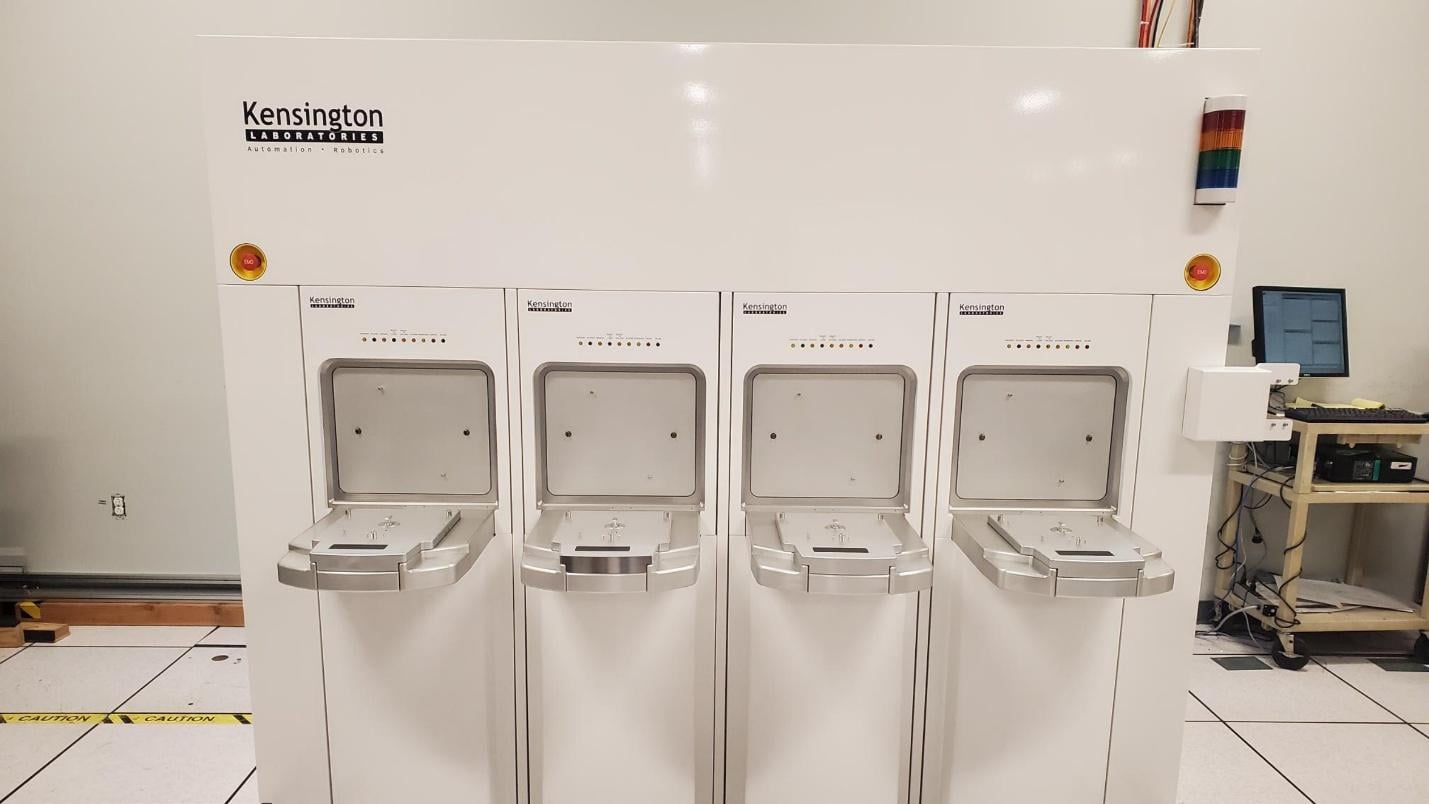
Many wafer handling robots operate in EFEM (Equipment Front End Module) systems. EFEM systems perform wafer loading, alignment, and transfer operations. EFEM-related failures can affect many stages of production.
### Monitoring and Performance Analysis
In modern facilities, tools that monitor robot performance are widely used. Important parameters include:
- Fault alarm logs
- Operation times
- Sensor data
Continuous monitoring allows teams to see early warning signs and accelerate intervention.
### Human Factor and Training
Incorrect usage and irregular maintenance often lead to human-induced failures. Regular training programs ensure that teams can respond to failures quickly and accurately.
### Conclusion
Automation is indispensable in semiconductor manufacturing. A robot failure can halt wafer flow. Wafer handling robots must improve their reliability through regular maintenance, effective troubleshooting, and performance monitoring. Engineers can reduce robot downtime by addressing mechanical wear, performing sensor alignment, and improving vacuum and communication performance. Companies like Kensington Laboratories contribute to the development of reliable wafer handling technologies in modern production environments.
With appropriate processes, semiconductor facilities can enhance the reliability of their wafer handling systems, minimize production delays, and ensure efficient movement of wafers through critical production stages.