








Erkan Teskancan
Kurumsal
- Thread Author
- #1
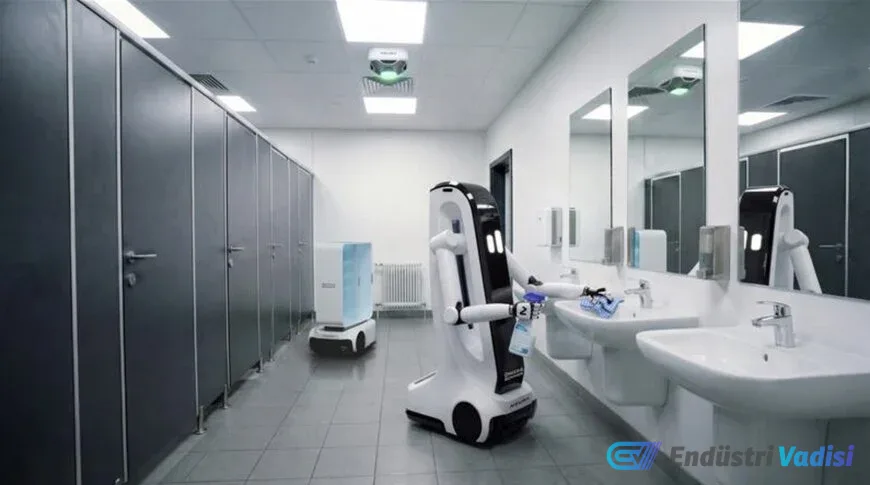
## Cognitive Robotics for Adaptive Building Infrastructure
Neura Robotics and Drees & Sommer have entered into a new collaboration for the planning and operation of smart buildings by integrating physical artificial intelligence. This partnership aims to develop buildings as adaptive and sensorized systems that enable real-time interaction between humans, robots, and infrastructure.
### From Automated Buildings to Cognitive Environments
The collaboration reflects a significant transformation in how buildings are designed and operated. By integrating robotics and artificial intelligence from the earliest stages of building design, the goal is to embrace automation not merely as an add-on, but as a fundamental structural element. This allows buildings to perceive environmental conditions, interpret data, and provide coordinated and autonomous responses between digital systems and physical robots.
This approach addresses the need for efficiency, safety, and resilience in building operations, especially in sectors facing labor shortages and increasing hygiene requirements.
### First Application: Sanitation Areas
Sanitation areas were chosen as the first application due to their high usage intensity, strict hygiene standards, and regular maintenance requirements. In these areas, cognitive robots undertake tasks such as detecting contamination, adapting cleaning procedures to current conditions, replenishing consumables, and identifying technical anomalies before failure.
This automation improves cleanliness while increasing usability, reducing manual workload and operational risk. The same principles can be applied to different building types such as healthcare facilities, manufacturing areas, office buildings, and transportation hubs.
### Sensorized Environment: The Digital Nervous System
At the heart of the partnership is a building structure equipped with sensors. These sensors collect real-time data such as light, motion, temperature, and acoustics, creating situational awareness throughout the building.
This sensor layer works in coordination with building robots, enabling them to act not merely as independent machines, but as integral parts of the building infrastructure. This allows for tight integration and contextual awareness between space, infrastructure, and robotic systems.
### Technical Contributions and Roles
Drees & Sommer brings expertise in building planning, sensor integration, digital twins, and IT/OT network architecture. They play a role in designing environments suitable for robotic operation, data exchange, and scalable automation.
NEURA Robotics provides cognitive robotic platforms, physical artificial intelligence, and interface technologies that enable robots to perceive, learn, and make autonomous decisions. This combination supports continuous learning and adaptation at both the building and robot levels.
### Impacts on Building Lifecycle Management
Integrating robotics and AI from the outset connects the building lifecycle across planning, construction, and operation phases with data models and sensor feedback, providing predictive maintenance, adaptive service cycles, and efficiency in resource utilization.
Buildings are no longer seen as static assets, but as evolving systems that respond dynamically to usage and environmental conditions. This approach introduces the concept of cognitive infrastructure beyond traditional building automation.























